Turnout Gear Decon: A Dedicated Room
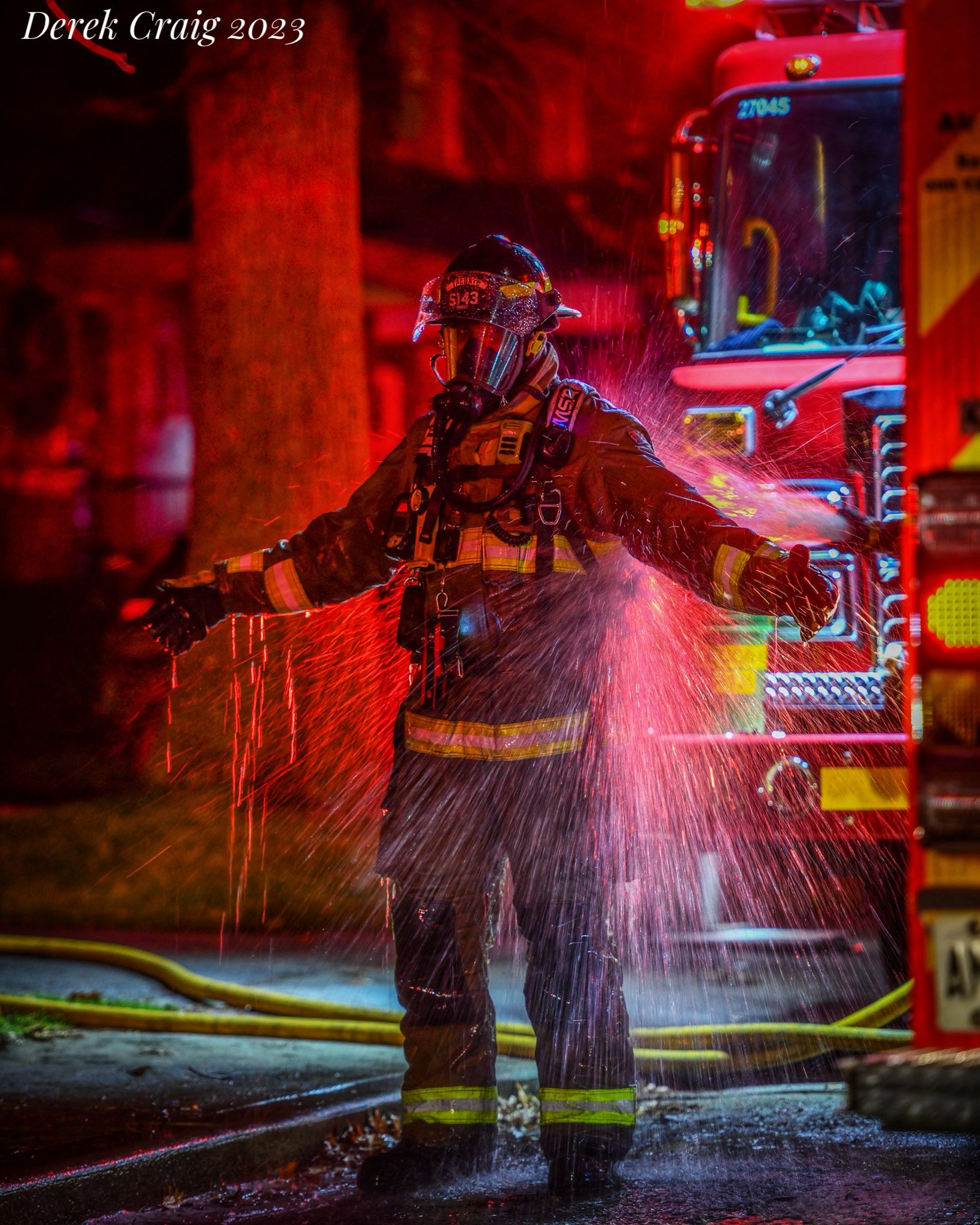
Contaminants remaining on firefighter turnout (“Bunker”) gear after firefighting activities can lead to long-term health issues – especially cancer.
Recognizing this risk is one of the reasons Canadian provinces will have ‘presumptive’ workplace insurance legislation for firefighters, sometimes reversing the burden for proving that certain cancers are related to firefighting activities, and making it easier for firefighters to be insured against those cancers (often after a stated period of employment). Presumptive legislation is a welcome trend for protecting firefighters and their families, but the objective can’t be to rest assured in that trend, it has to be in preventing cancers and contamination-related illnesses in the first place, and that’s why firefighter safety can’t end at the fireground.
To avoid risks associated with contamination, firefighters need thorough decontamination systems – systems that go beyond basic cleaning. The NFPA 1850 Standard on Selection, Care and Maintenance of Protective Ensembles for Structural and Proximity Firefighting and Open-Circuit Self-Contained Breathing Apparatus (SCBA) highlights the importance of proper Personal Protective Equipment (PPE) care, which includes more than just firefighter turnout clothing, to reduce exposure to potential contaminant toxins. Implementing a comprehensive decontamination strategy ensures that firefighters can perform their duties without compromising their health.
Decontamination Matters
With the continuing advent of chemically innovative materials, modern structure and content fires now release increasingly broader varieties of toxic chemicals that can become embedded as harmful residues into bunker gear. Bluntly stated, when that happens, toxicity literally follows you home. There is sufficient research showing that bunker gear contaminated with these residues continues to pose significant health risks well after the fire incident itself has concluded. In fact, thanks to dormancy, those health risks might not be known for quite some time. These contaminants can include carcinogens, neurotoxins, and other harmful substances that can be absorbed by the body through the skin, or inhaled. Ineffective or improper cleaning methods not only fail to remove these hazardous materials, but may also damage bunker gear, which even further endangers firefighters. It’s one thing to be endangered by exposure as part of firefighting duties, it’s quite another to be endangered by our own processes.
Decontamination Rooms
It’s time to consider dedicated decontamination rooms as essential for effective PPE care. A decontamination room should be meticulously organized into three distinct zones: “dirty,” “transitional,” and “clean,” to prevent cross-contamination and ensure a smooth workflow as follows:
- Contaminated gear enters the dirty zone, where initial cleaning and removal of large debris occurs.
- Gear is then moved to the transitional zone for more thorough and intensive cleaning, and for drying.
- Lastly, cleaned gear is transferred to the clean zone, where it is inspected and either stored to be ready for use, or transferred to the storage room.
Each of these zones must be clearly marked and equipped with the necessary tools and equipment for handling the specific tasks required in that area. Proper ventilation and air filtration systems are essential in decontamination rooms to prevent the spread of contaminants to other areas in the facility.
Key Equipment for Decontamination
1. SCBA Washer
SCBA units are often heavily contaminated with toxic residues. Manual methods may be necessary for preliminary cleaning, e.g. at scene before transport back to the firehall, or for removal of stubborn particulate, but to the extent that manual cleaning is inconsistent and ineffective, departments should consider automated SCBA washers that can assure more consistent compliance with NFPA standards, and which will better standardize the process. This is especially important where multiple SCBA components are being cleaned concurrently. It’s also more likely that automated cleaners won’t damage sensitive parts, such as masks, regulators, and harnesses.
2. PPE Extractor
A quality PPE extractor provides similar assurances as the SCBA washer, including through programmable controls that allow for tailored cleaning cycles. This customization ensures that each piece of gear can be cleaned according to specific needs while complying with standards including number of wash, rinse and soak cycles; water temperature; specific cleaning agent injection; force of spin; PH levels, etc., all of which can maximize firefighter safety and retain structural integrity so that the bunker gear reaches maximum lifespan. There are multiple layers to bunker gear, each with unique materials that can require different cleaning processes.
3. Drying Systems
Proper (compliant and standardized) drying of decontaminated gear is essential to prevent mildew, mold growth, recontamination, and maintenance of structural integrity. The drying process shouldn’t be too fast or too slow. Cabinet-style dryers that utilize controlled airflow tend to be the most-efficient means for drying without the need for sometimes harsh mechanical action. Typically, proper drying is the longest part of the decontamination and cleaning process. When there is a need either for space, or to put the bunker gear back in service quickly, there can be a temptation to hurry the process – often with high heat that may (not obviously) compromise the protective features of the gear. Controlled airflow, where the word ‘controlled’ means maximally efficient as well as maximally compliant, is the best choice. Cabinets also reduce exposure to light that can deteriorate fabrics.
Organizing the Room
A well-designed decontamination room should include certain essential features further to the separate dirty, transitional, and clean zones to prevent cross-contamination mentioned above. These include:
- Drainage systems under washers and extractors to manage wastewater and prevent water damage, and especially to comply with any local environmental regulations.
- Positive air pressure and exhaust systems.
- Non-porous surfaces for cleaning and decontamination.
- Layout that considers ergonomics, workflow, and future growth that may require the addition of new equipment.
Managing the Decontamination Process
Clear Standard Operating Procedures (SOPs) and a designated Decontamination (Decon) Officer are vital to a successful decontamination program. SOPs should at least define the following:
- When gear must be cleaned (e.g., after every fire response) to ensure that contaminants are removed promptly.
- How gear is handled between zones to prevent cross-contamination and ensure a smooth workflow.
- Procedures for separating liners and outer shells to ensure that all components are properly cleaned, possibly using different extractor settings and cleaning products.
- Correct operation of each piece of equipment to maximize effectiveness and maintain safety.
Training should emphasize not only the how but also the why, educating personnel on the health risks associated with residual contamination. When firefighters understand the science behind the decontamination process, they’re more likely to engage with and support the program. Regular training sessions and updates on the latest decontamination techniques and equipment are essential to maintaining a high level of preparedness and safety. Don’t just train on how, train also on why.
Departments should also implement tracking systems such as barcoding or cleaning logs to monitor gear cycles, flag overdue cleanings, and simplify NFPA reporting. These tracking systems provide valuable data that can be used to optimize the decontamination process and ensure compliance with safety standards. By keeping detailed records of gear cleaning and maintenance, departments can identify potential issues before they become critical and take proactive steps to address them.
Firefighters should make and retain personal (as well as departmental where available) notes on potential and actual hazardous materials exposures.
Conclusion
Decontamination rooms and areas are a next-level practice in firefighter safety. The decontamination room is more than just a utility space – it’s a mission-critical environment for preserving firefighter health and equipment longevity. When built around professional-grade tools like SCBA Washers, Extractors, and Dryers, departments can establish a scalable, NFPA 1850-compliant solution that reduces toxic exposure and improves operational readiness. By taking command of the gear cleaning process, fire departments send a clear message: firefighter health is non-negotiable. With the right infrastructure, equipment, and leadership, today’s firehouses can set a new standard in protective care, clean gear, clean conscience, confident command.
A comprehensive decontamination strategy is essential for maintaining the health and safety of firefighters. By investing in the right equipment, designing an effective decontamination room, and implementing clear SOPs and training programs, fire departments can ensure that their personnel are protected from the harmful effects of contamination. This commitment to safety not only preserves the well-being of firefighters but also enhances overall departmental readiness and effectiveness.