SCBA Purchase Lessons Learned From FDNY
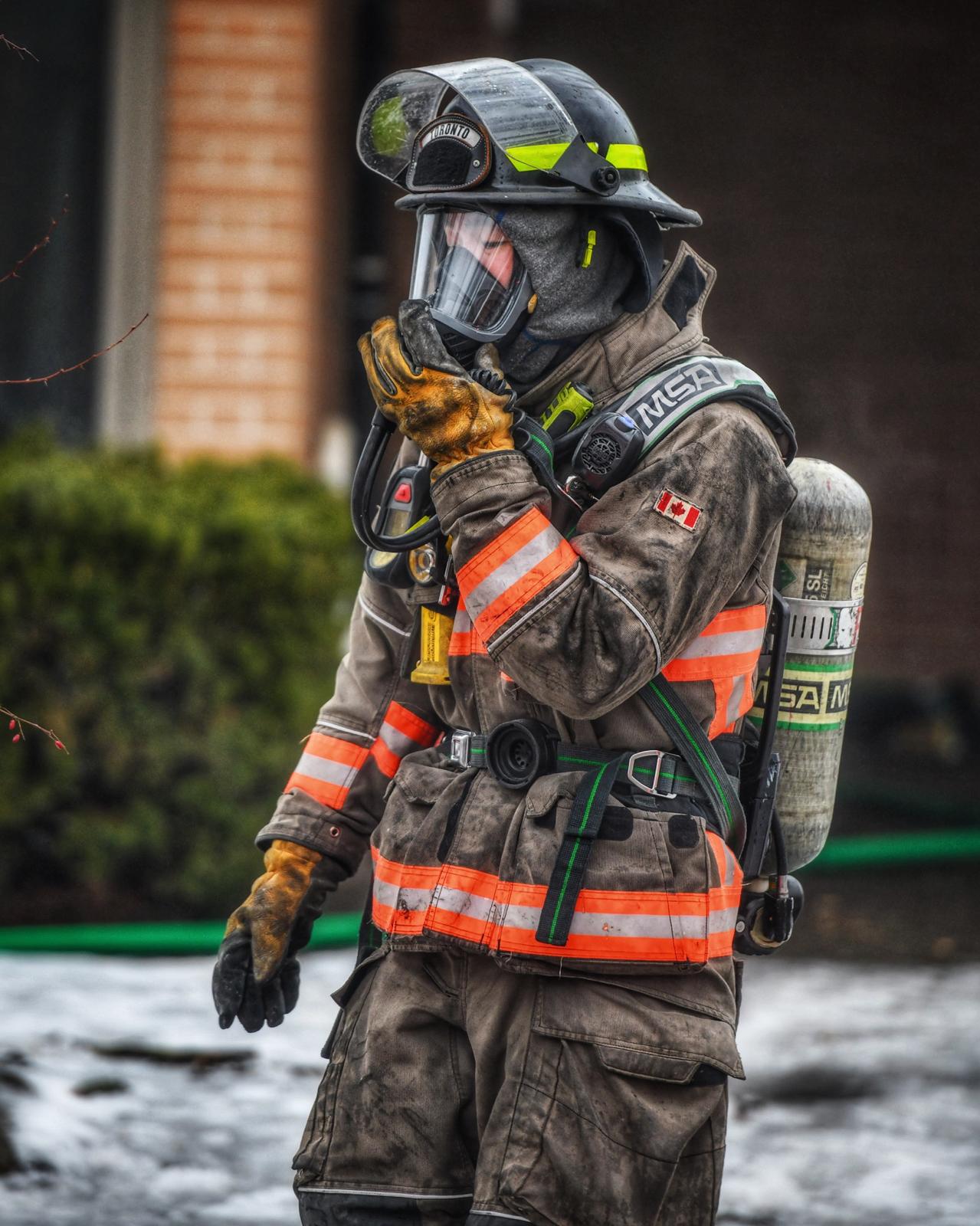
Before the new (enacted September 2024), comprehensive NFPA 1970, Standard on Protective Ensembles for Structural and Proximity Firefighting, Work Apparel, Open-Circuit Self-Contained Breathing Apparatus (SCBA) for Emergency Services, and Personal Alert Safety Systems (PASS), consolidating NFPA 1971, NFPA 1975, NFPA 1981 and NFPA 1982, came into effect, the Fire Department of New York (FDNY) was in the process of purchasing and replacing its inventory of approximately 10,000 SCBA.
What it (cleverly) realized at the time, is that standards can sometimes lag behind the evolving technology, and, there may be times when departments want equipment features that are not addressed in standards, perhaps to meet particular operational needs presented by unique features like demographics, geographics, etc.
FDNY, a typical leader in firefighting, developed a proactive and innovative method for selecting its SCBA, a method that also likely assured that it met its due diligence for occupational health and safety. It “conducted phase operational testing” and also asked the National Urban Security Technology Laboratory (NUSTL) “for assistance in analyzing other capabilities.”
To achieve this, FDNY and NUSTL developed a “generalized assessment approach.” That approach establishes an assessment framework that can be used by other departments when determining key requirements and evaluating requirements.
The generalized assessment approach includes:
- Identifying and documenting department requirements and determining the assessment method needed to ascertain if SCBAs meet requirements
- Conducting market research and engaging SCBA manufacturers
- Conducting a paper study analysis, i.e., a review of technical and product documentation and comparison of product specifications against department requirements
- Planning and executing small-scale operational tests
- Designing and performing laboratory tests
- Planning and executing large-scale operational tests
The joint FDNY and NUSTL collaboration can act as a guide for departments in their approach to purchasing equipment (in this case SCBA), whenever they want, or need to examine features that are not addressed in standards – a requirement more likely as standards near the end of their ‘life’ cycle.
The collaboration was document in a report entitled Self Contained Breathing Apparatuses (SCBA) Lessons Learned.
You can see and download the report detailing the lessons learned from the FDNY and NUSTL collaboration here: Self-contained Breathing Apparatuses (SCBA) Lessons Learned Report